Cocoa, coffee & agro-industry
Value-added processing needs controlled drying, dependable steam, clean water and quality assurance close to production areas.
Biomass boilers, solar, steam systems, process water and laboratories
Integrated energy, steam and water engineering for Cameroon’s agro-industry, food, timber, materials and commercial operations across highly varied climates and terrain.
Industrial solar, biomass boiler and water treatment solutions in Cameroon
Integrated energy, steam and water engineering for Cameroon’s agro-industry, food, timber, materials and commercial operations across highly varied climates and terrain.
Spenomatic connects local operating conditions with measurable plant requirements before recommending equipment.
Country-specific operating needs shape which combination of solar, thermal, water and process engineering creates the strongest value.
Value-added processing needs controlled drying, dependable steam, clean water and quality assurance close to production areas.
Biomass boilers, solar, steam systems, process water and laboratoriesHigh-throughput production depends on thermal reliability, hygienic water, cooling and compliant effluent management.
Boilers, chillers, water treatment, wastewater systems and solarDrying and material processing can benefit from appropriate biomass use, heat control and reliable on-site electricity.
Biomass energy, steam and thermal systems, solar PV and emissions controlEnergy-intensive and port-linked facilities need resilient utilities designed for humidity, dust, grid conditions and service access.
C&I solar, power studies, water systems and lifecycle maintenanceImages from Spenomatic’s wider project portfolio illustrate applicable technologies. They are not presented as projects delivered in this country unless explicitly identified.
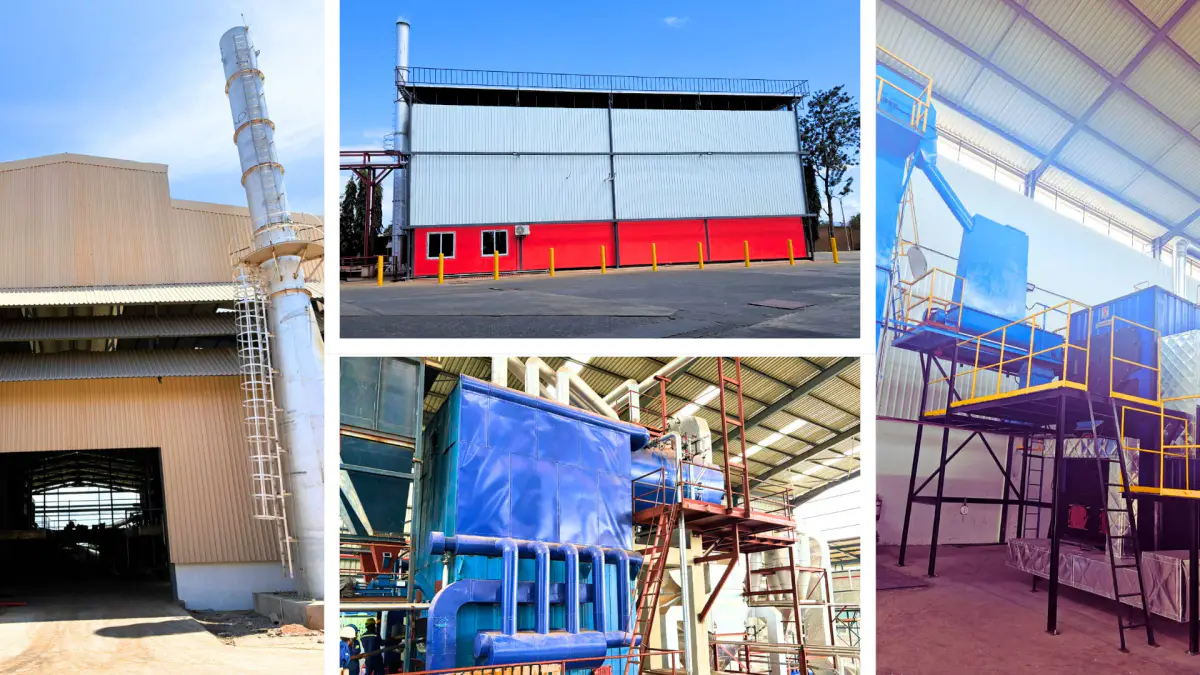
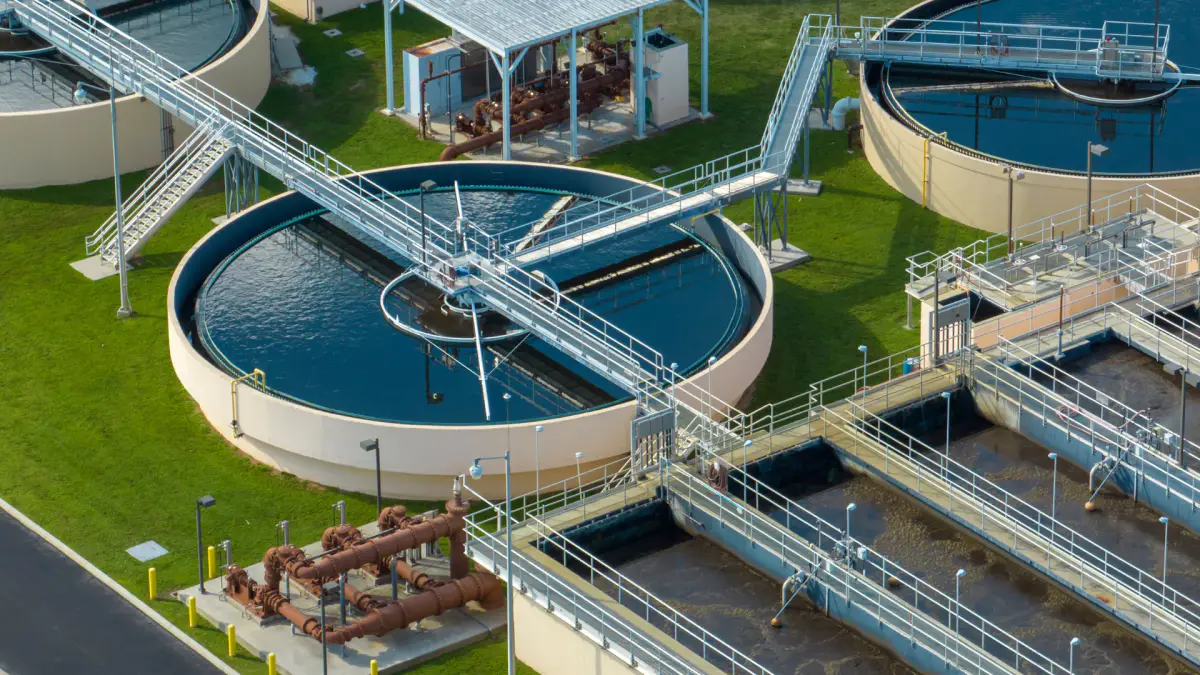
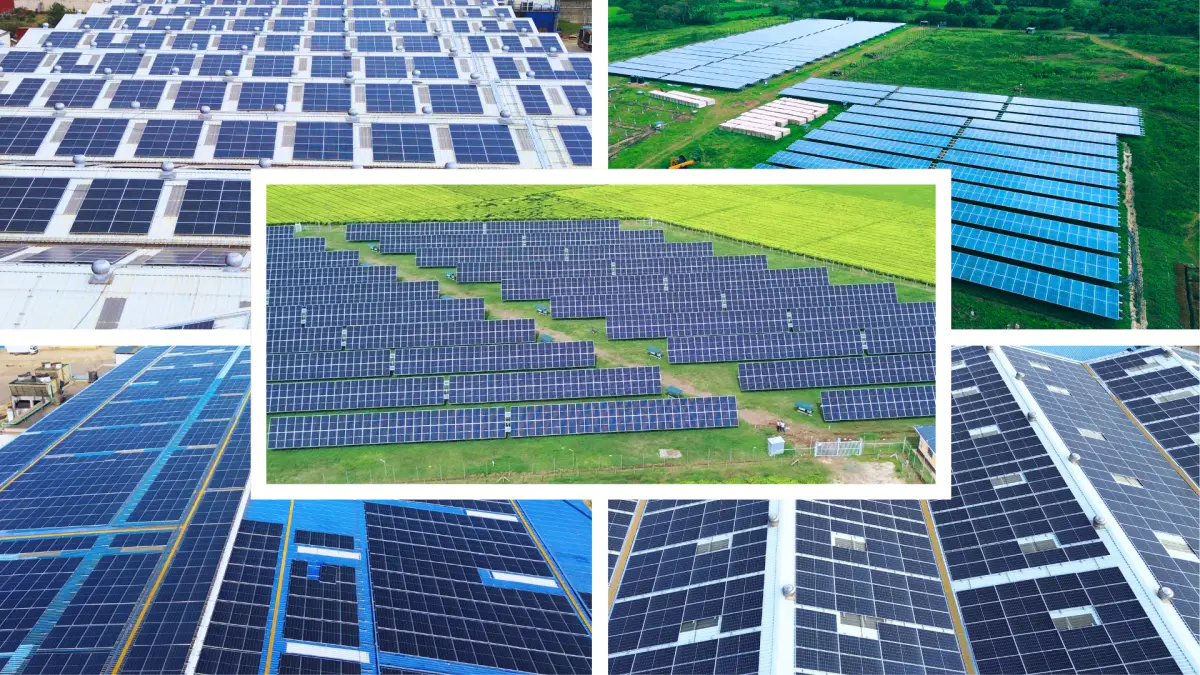
No customer-approved project is currently linked for public display. Applicable capability is presented without inventing a local reference.
Policy and environmental requirements change. These research notes strengthen early planning but do not replace project-specific legal, utility or environmental advice.
Spenomatic provides industrial solar, boilers and biomass, steam systems, water and effluent treatment, laboratories, commissioning and maintenance.
The humid coast, western highlands, forest zones and drier north have very different rainfall, heat, dust, corrosion, lightning, water and access conditions.
It can be suitable when the residue is sustainable, available, properly characterized and compatible with the combustion technology and emissions limits. Fuel and logistics studies are essential.
Law No. 2011/022 governs electricity-sector activities. Specific authorizations depend on capacity, connection and any electricity sale and must be confirmed with the competent authorities.
Project cards appear only for verified references linked to Cameroon. The page does not turn regional capability into an undocumented customer claim.
Share your site location, load profile, steam demand, source-water data or production challenge. Spenomatic will help identify the right feasibility path.